
Electrical Safety Tips for a Safer Home
Understanding Electrical Safety
Electricity is an essential part of modern life, but it can also pose serious risks if not handled properly. Understanding basic electrical safety can help prevent accidents and ensure a safer environment for your family. It’s important to be aware of potential hazards and take proactive steps to mitigate them.
Inspecting Electrical Cords and Outlets
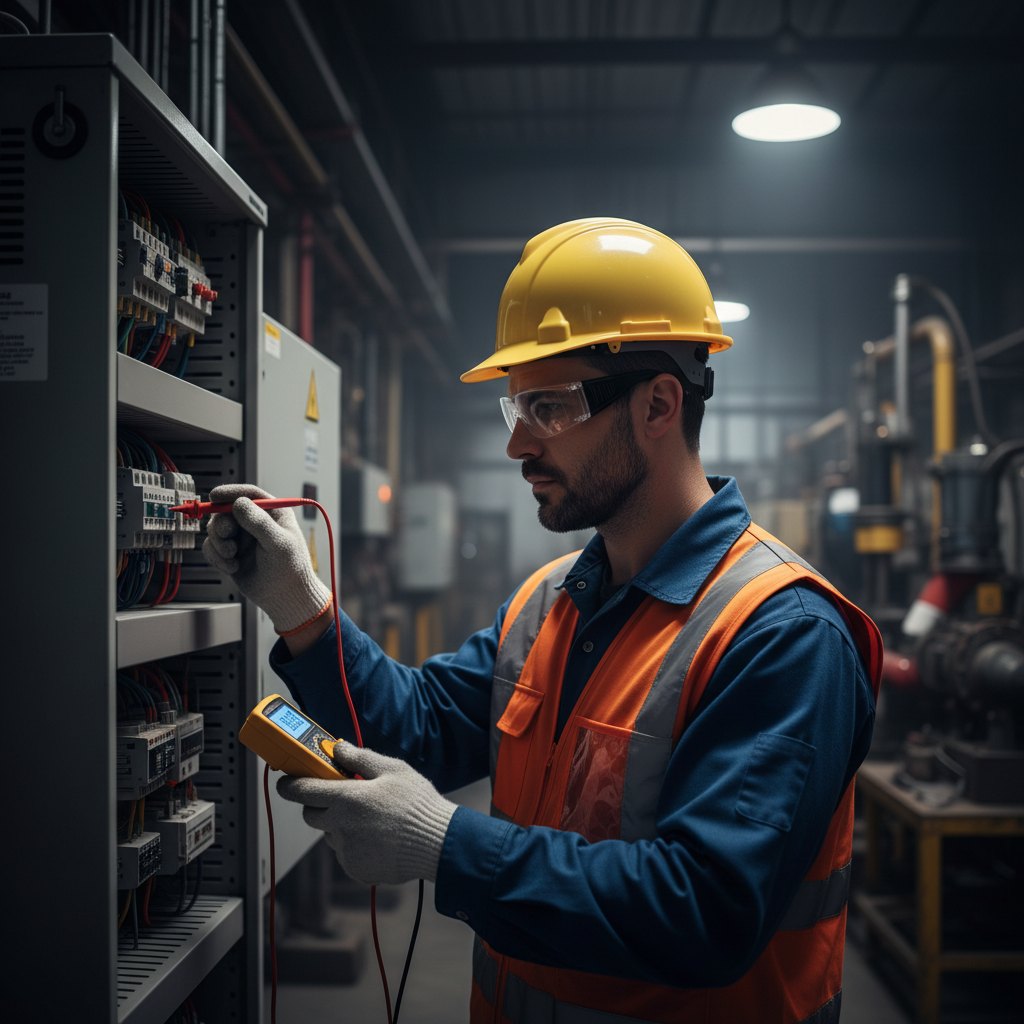
Regularly inspecting electrical cords and outlets is crucial. Damaged cords can lead to electrical shocks or fires. Look for signs of wear, such as fraying or cracking. Ensure that outlets are not overloaded, as this can cause overheating. Using power strips with built-in surge protectors can offer an added layer of safety.
Proper Use of Extension Cords
Extension cords should only be used temporarily. They are not a permanent solution for wiring needs. Make sure the extension cord is rated for the device you are using and avoid running them under carpets or through doorways where they can be damaged.
Childproofing Your Home
If you have young children, childproofing your home is essential. Use outlet covers to prevent curious fingers from exploring electrical sockets. Additionally, keep electrical appliances out of reach and ensure cords are not dangling where they can be pulled down.
Educating Your Family
Education plays a key role in electrical safety. Teach your family about the dangers of electricity and how to use devices safely. Encourage children to ask for help when dealing with electrical appliances.
Maintaining Appliances
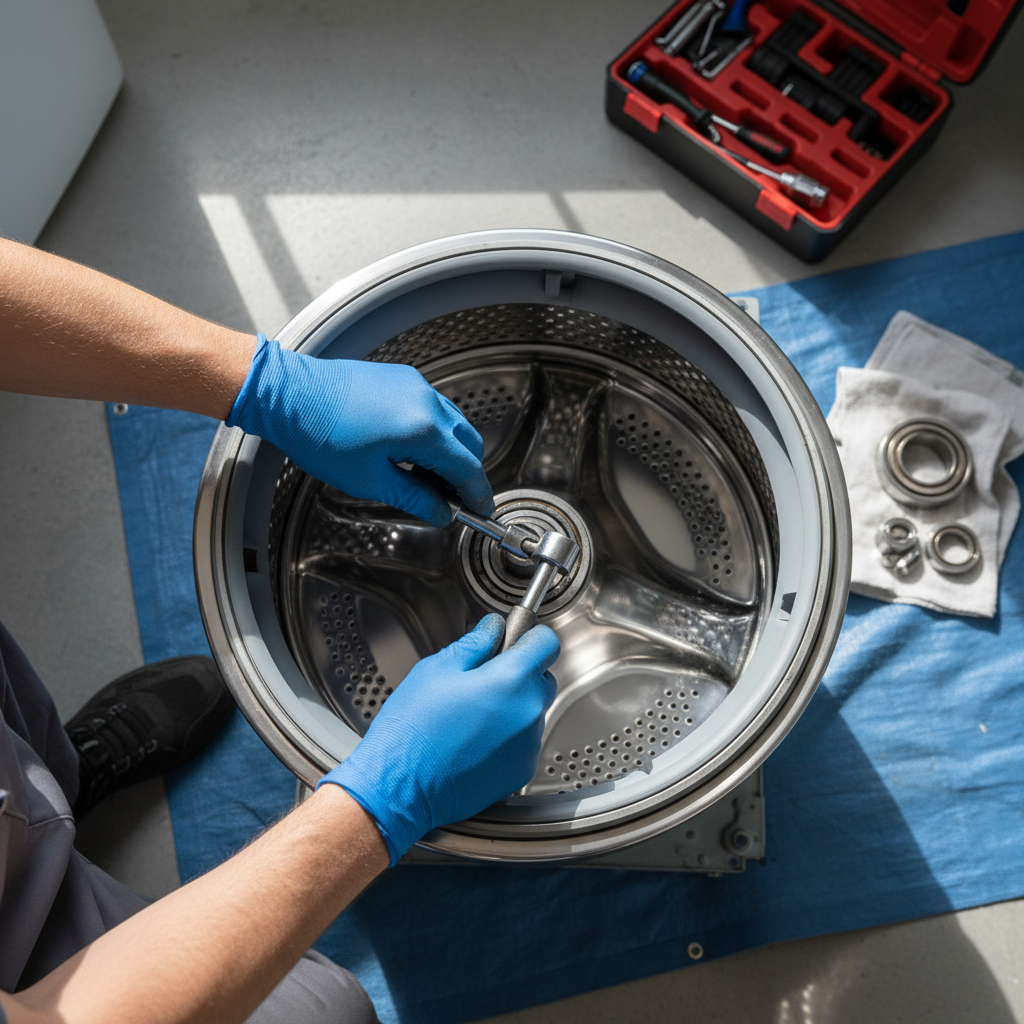
Regular maintenance of electrical appliances can prevent potential hazards. Follow the manufacturer’s instructions for each appliance and unplug devices when they are not in use. If an appliance is malfunctioning, avoid using it until it is repaired.
Understanding Circuit Breakers
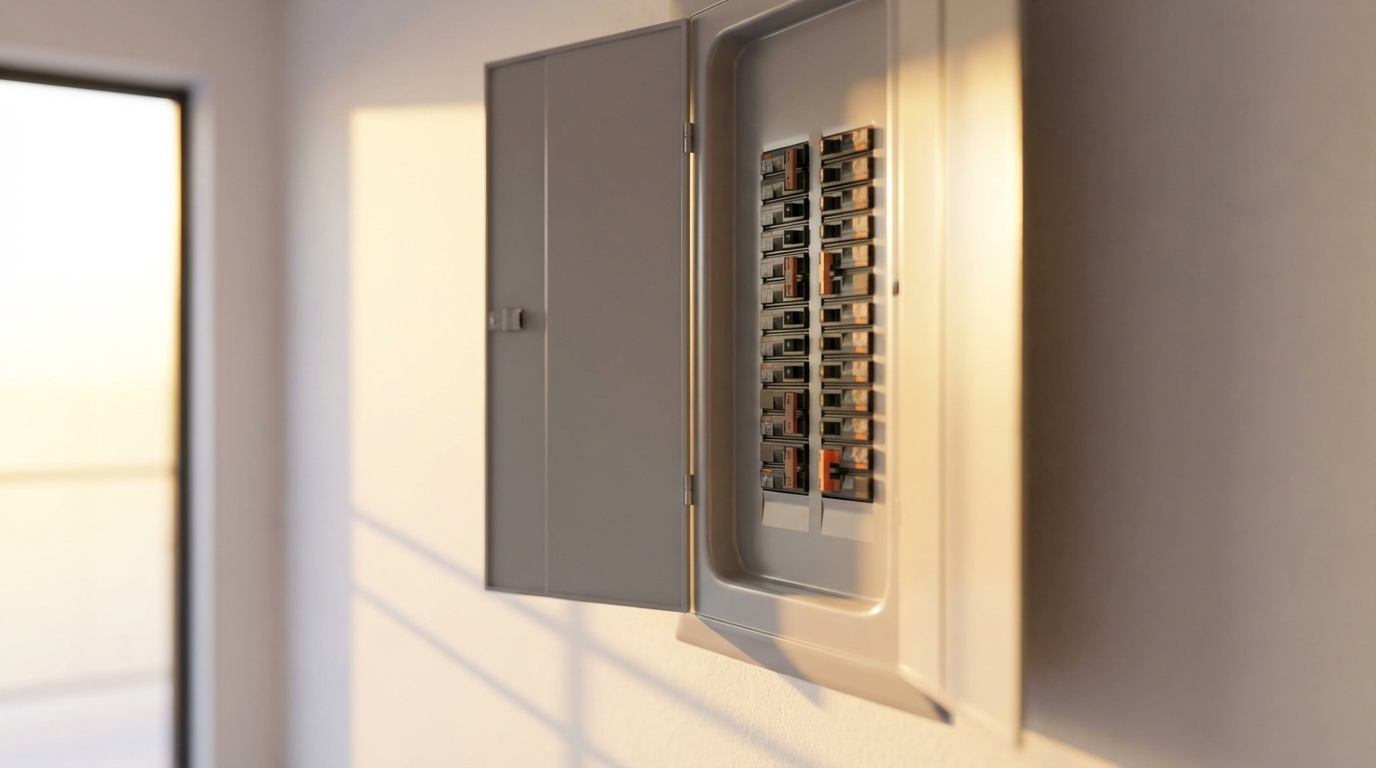
Circuit breakers are designed to protect your home from electrical overloads. Familiarize yourself with the location of your circuit breaker panel and ensure it is easily accessible. Know how to reset a tripped breaker and recognize when professional help is needed.
Hiring a Professional
For any electrical work beyond basic maintenance, it’s best to hire a licensed electrician. Attempting to do complex electrical work yourself can be dangerous and may not comply with local safety codes. A professional can ensure that all work is performed safely and correctly.
Regular Safety Checks
Conduct regular safety checks in your home to identify potential electrical hazards. Test smoke detectors and carbon monoxide alarms monthly to ensure they are functioning properly. Keeping your home safe requires vigilance and attention to detail.

By following these electrical safety tips, you can create a safer home environment for you and your family. Remember that safety is an ongoing process, and staying informed is key to preventing accidents.